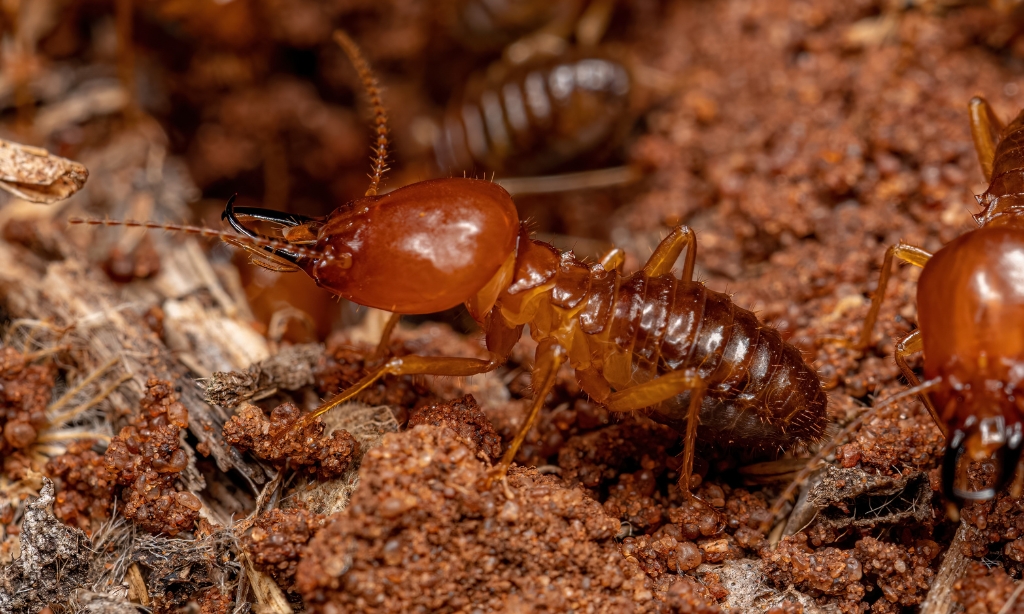
Termites are one of the most destructive pests property owners can face. These silent invaders can damage wooden structures, flooring, walls, furniture, and even the foundation of a property without immediate visible signs. By the time many property owners notice termite activity, the damage may already be extensive and expensive to repair.
Finding the best termite control solution is essential for protecting residential and commercial properties from long-term structural damage. In this guide, you’ll learn the common causes of termite infestations, warning signs to watch for, the most effective termite prevention methods, and why professional termite control services provide the best long-term protection.
Why Termite Control Is Important
Termites feed on wood and cellulose-based materials, making buildings highly vulnerable to structural damage. Unlike other pests, termites often remain hidden inside walls, floors, and foundations for long periods.
Without proper termite control, infestations may cause:
- Structural damage to buildings
- Expensive repair costs
- Weakened wooden frameworks
- Damage to furniture and flooring
- Reduced property value
Early detection and preventive treatment can help property owners avoid costly repairs and long-term issues.
Common Causes of Termite Infestations
Understanding what attracts termites can help reduce infestation risks.
Moisture Problems: Termites thrive in damp environments created by leaking pipes, standing water, or poor drainage systems.
Wood-to-Soil Contact: Wooden structures directly touching soil make it easier for termites to access the property.
Cracks in Foundations: Small cracks around foundations and walls allow termites to enter unnoticed.
Untreated Wooden Materials: Old or untreated wood attracts termites searching for food sources.
Poor Ventilation: Excess humidity in basements, crawl spaces, and attics creates ideal conditions for termites.
Signs of a Termite Problem
Termites are often called “silent destroyers” because they can remain hidden for years.
Hollow-Sounding Wood: Wood damaged by termites may sound hollow when tapped.
Mud Tubes: Subterranean termites build mud tubes along walls and foundations to travel safely.
Discarded Wings: Swarming termites shed their wings near windows, doors, and light sources.
Cracked or Bubbling Paint: Moisture caused by termite activity can make paint appear bubbled or uneven.
Tight Doors & Windows: Termite damage may cause wood to warp, making doors and windows difficult to open.
Best Termite Control Solutions
The best termite control strategy combines prevention, inspections, and professional treatment.
1. Schedule Regular Termite Inspections
Routine inspections help identify termite activity before major damage occurs.
Areas That Should Be Inspected
- Foundations
- Crawl spaces
- Wooden beams
- Basements
- Attics
- Exterior walls
Professional inspections can detect hidden termite activity early.
2. Reduce Moisture Around the Property
Moisture control is one of the most important termite prevention methods.
Ways to Reduce Moisture
- Repair leaking pipes
- Improve drainage systems
- Clean gutters regularly
- Eliminate standing water
- Improve ventilation in damp areas
Dry environments are less attractive to termites.
3. Eliminate Wood-to-Soil Contact
Keeping wood away from direct soil contact reduces termite access.
Prevention Tips
- Raise wooden structures above the soil level
- Store firewood away from buildings
- Avoid wooden debris near foundations
- Use termite-resistant materials when possible
These steps help minimize termite risks.
4. Seal Entry Points
Termites can enter through tiny openings around the property.
Areas to Seal
- Foundation cracks
- Utility pipe openings
- Gaps around windows and doors
- Exterior wall openings
Sealing entry points helps reduce access to the property.
5. Use Professional Termite Control Services
Professional termite treatment is the most reliable solution for long-term protection.
Common Professional Treatments
- Liquid termite barriers
- Termite bait systems
- Soil treatments
- Wood treatments
- Preventive monitoring systems
Licensed termite control specialists create customized treatment plans based on the size and condition of the property.
DIY vs Professional Termite Control
DIY Termite Control
DIY termite products may help with minor visible activity, but often fail to eliminate hidden colonies.
Pros
- Lower upfront cost
- Easily available products
- Temporary treatment option
Cons
- Limited effectiveness
- Hidden colonies may survive
- Risk of recurring infestations
Professional Termite Control
Professional services provide deeper and more effective termite protection.
Pros
- Long-term termite prevention
- Advanced treatment methods
- Early detection of hidden damage
- Customized protection plans
- Reduced risk of structural damage
Cons
- Higher initial investment
However, professional termite treatment often saves property owners thousands of dollars in future repair costs.
Benefits of Professional Termite Treatment
Professional termite control offers several important advantages.
Long-Term Property Protection: Routine inspections and treatments help prevent future infestations.
Reduced Structural Damage: Professional treatment protects walls, floors, foundations, and wooden structures.
Increased Property Value: Well-maintained, termite-free properties are more attractive to buyers and tenants.
Peace of Mind: Knowing your property is protected from termites provides confidence and security.
Frequently Asked Questions
Why are termites dangerous for property owners?
Termites silently damage wooden structures and may weaken the overall stability of a property.
How often should termite inspections be done?
Most experts recommend annual termite inspections for residential and commercial properties.
Can termites return after treatment?
Yes. Without preventive maintenance and monitoring, termites may return over time.
What is the most effective termite treatment?
Professional termite bait systems and liquid barrier treatments are among the most effective long-term solutions.
Are professional termite treatments safe?
Licensed pest control companies use approved treatment methods designed to protect people, pets, and property.
Conclusion
The best termite control solution for property owners is a combination of prevention, moisture control, routine inspections, and professional termite treatment services. Since termites often remain hidden until major damage occurs, proactive pest management is essential for protecting your investment.
By working with experienced termite control professionals and following preventive maintenance practices, property owners can reduce infestation risks, avoid expensive repairs, and maintain a safe, structurally sound property for years to come.