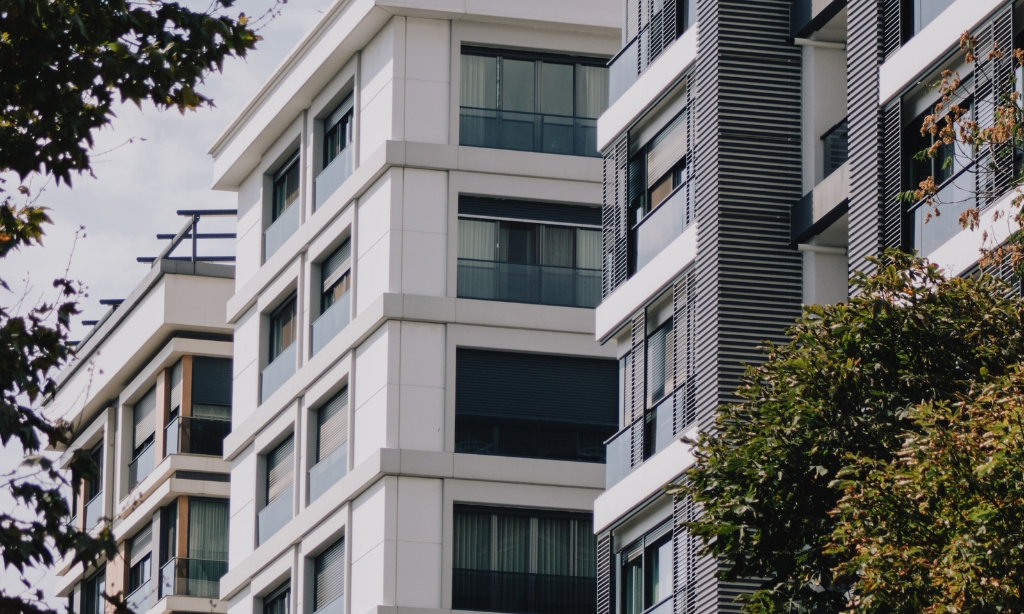
Managing pests in multi-family properties can be a major challenge for property owners, landlords, and apartment managers. Shared walls, common areas, garbage disposal spaces, and high tenant traffic create ideal conditions for pests to spread quickly from one unit to another. Common infestations such as cockroaches, ants, rodents, termites, and bed bugs can affect tenant satisfaction, property value, and overall hygiene.
Finding the best pest control solution for multi-family properties is essential for maintaining a safe and comfortable living environment. In this guide, you’ll learn the most effective pest prevention strategies, treatment methods, and why professional pest control services are the best long-term solution for apartment complexes and shared residential buildings.
Why Pest Control Is Important for Multi-Family Properties
Pest infestations in multi-family properties can quickly spread throughout the building if not handled properly. One untreated unit can impact neighboring apartments and shared spaces within days.
Proper pest control is important because it helps:
- Protect tenant health and safety
- Prevent property damage
- Maintain cleanliness and hygiene
- Improve tenant satisfaction
- Reduce expensive repair costs
- Protect the reputation of the property
A proactive pest management strategy helps property owners avoid large infestations and long-term issues.
Common Pests Found in Multi-Family Buildings
Different types of pests commonly affect apartments and multi-unit residential properties.
Cockroaches: Cockroaches are attracted to food crumbs, moisture, and garbage areas. They spread bacteria and allergens that may affect indoor air quality.
Rodents: Mice and rats can damage wiring, insulation, and walls while contaminating food and surfaces.
Ants: Ants often enter kitchens and bathrooms searching for food and water sources.
Bed Bugs: Bed bugs spread rapidly between units through furniture, clothing, and shared walls.
Termites: Termites silently damage wooden structures and may cause costly structural repairs if left untreated.
Spiders & Other Pests: Spiders, fleas, mosquitoes, and other pests can also create discomfort for tenants and visitors.
Causes of Pest Infestations
Understanding the causes of infestations helps property managers take preventive action.
Food & Garbage Build-Up: Overflowing trash bins, food waste, and unclean common areas attract pests quickly.
Water Leaks & Moisture: Leaking pipes, damp basements, and standing water create ideal conditions for pests.
Cracks & Entry Points: Small openings around windows, doors, and utility lines allow pests to enter easily.
Shared Walls & Utility Systems: Pests can travel between units through plumbing systems, vents, and shared walls.
Poor Sanitation Practices: Lack of regular cleaning and maintenance increases infestation risks.
Best Pest Control Solutions for Multi-Family Properties
The best pest control solution combines prevention, regular inspections, sanitation, and professional treatments.
1. Schedule Regular Pest Inspections
Routine inspections help detect infestations early before they spread throughout the building.
Areas That Should Be Inspected
- Kitchens and bathrooms
- Garbage disposal areas
- Basements and storage rooms
- Hallways and common spaces
- Exterior foundations and walls
Early detection helps reduce treatment costs and prevent large infestations.
2. Maintain Clean Common Areas
Cleanliness is one of the most effective pest prevention methods.
Important Cleaning Practices
- Remove garbage regularly
- Clean food spills immediately
- Sanitize shared kitchens and laundry areas
- Keep dumpsters properly sealed
- Reduce clutter in storage spaces
Proper sanitation reduces food and shelter sources for pests.
3. Seal Entry Points
Pests can enter through even the smallest openings.
Common Areas to Seal
- Door and window gaps
- Utility pipe openings
- Foundation cracks
- Roof vents
- Wall openings
Sealing entry points helps prevent pests from entering the property.
4. Address Moisture Problems
Moisture attracts many pests, including cockroaches, ants, and termites.
Moisture Prevention Tips
- Repair leaking pipes quickly
- Eliminate standing water
- Improve ventilation systems
- Maintain proper drainage around buildings
Controlling moisture helps reduce pest activity significantly.
5. Use Professional Pest Control Services
Professional pest management is the most reliable long-term solution for multi-family properties.
Professional Services May Include
- Routine pest treatments
- Integrated Pest Management (IPM)
- Rodent control programs
- Bed bug treatments
- Termite inspections
- Preventive maintenance plans
Experienced pest control companies provide customized treatment plans based on the size and needs of the property.
Benefits of Professional Pest Management
Hiring professional pest control experts offers several advantages for property owners and managers.
Long-Term Pest Prevention: Routine treatments help prevent recurring infestations throughout the property.
Improved Tenant Satisfaction: Residents prefer clean and pest-free living environments, improving retention rates.
Reduced Property Damage: Professional pest control protects structures, insulation, and electrical systems from damage.
Health & Safety Protection: Pest management helps reduce allergens, bacteria, and disease risks.
Cost Savings: Preventive treatments are often more affordable than repairing major pest-related damage later.
Preventive Tips for Property Owners
Property managers can reduce pest risks by following preventive strategies.
Helpful Prevention Tips
- Schedule regular inspections
- Educate tenants about sanitation
- Maintain landscaping properly
- Seal building entry points
- Repair plumbing issues quickly
- Keep garbage disposal areas clean
Consistency is essential for maintaining a pest-free property.
Frequently Asked Questions
Why are multi-family properties more vulnerable to pests?
Shared walls, common spaces, plumbing systems, and tenant traffic allow pests to spread more easily between units.
How often should pest control services be scheduled?
Most multi-family properties benefit from monthly or quarterly pest control treatments, depending on the severity of pest activity.
Can tenants help prevent pest infestations?
Yes. Proper sanitation, reporting leaks, and maintaining cleanliness help reduce pest problems significantly.
What is Integrated Pest Management (IPM)?
IPM is a long-term pest control approach that combines prevention, monitoring, sanitation, and targeted treatments.
Are professional pest control treatments safe?
Licensed pest control companies use approved treatment methods designed to protect residents, pets, and property.
Conclusion
The best pest control solution for multi-family properties is a proactive combination of prevention, sanitation, regular inspections, and professional pest management services. Since pests can spread quickly in apartment complexes and shared residential buildings, early detection and long-term prevention are essential.
By working with experienced pest control professionals and maintaining proper property maintenance practices, landlords and property managers can protect tenant health, reduce property damage, and maintain a cleaner, safer living environment year-round.