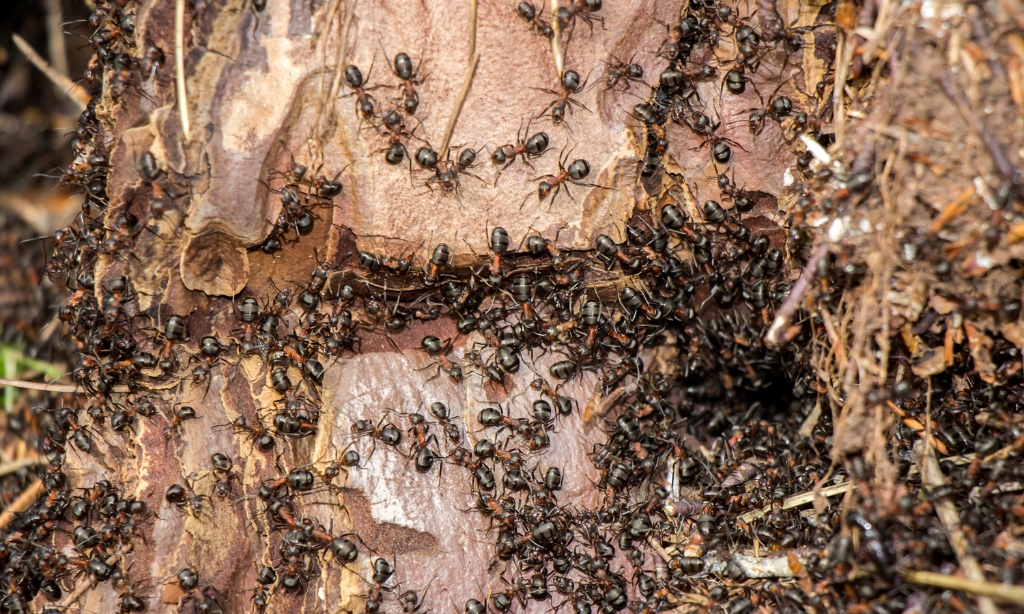
https://itsbugsorus.com/texas-ant-control/Seeing a few ants in your kitchen or bathroom may not seem like a big deal at first, but ants can quickly turn into a frustrating problem if they’re not handled early. Once they find access to food, water, or shelter, they often create trails throughout your home and build hidden colonies behind walls, under floors, or around foundations.
Ant infestations are especially common in homes and apartments where small entry points, moisture, and leftover food make it easy for ants to thrive. While DIY solutions may help temporarily, recurring infestations usually require a more complete approach.
In this guide, we’ll explain why ants invade homes, how to spot the warning signs, the best ways to prevent infestations, and when professional ant control services may be the right solution.
Why Ant Control Matters
Ants may be small, but a large infestation can create serious issues inside a property. Some ants contaminate food, while others can damage wood, insulation, or even electrical systems over time.
Ignoring the problem often leads to:
- Food contamination
- Larger hidden colonies
- Unpleasant living conditions
- Increased pest activity
- Higher treatment costs later
The sooner ant activity is addressed, the easier it is to control the infestation before it spreads.
What Causes Ant Infestations?
Understanding what attracts ants is the first step toward keeping them out of your home.
Food Sources: Ants are constantly searching for food. Crumbs on countertops, sugary spills, uncovered snacks, and even pet food bowls can attract them indoors.
Moisture & Water Leaks: Many ant species are drawn to damp environments. Leaking pipes, dripping faucets, and standing water create ideal conditions for infestations.
Small Entry Points: Ants can squeeze through tiny cracks around windows, doors, plumbing lines, and foundations without being noticed.
Seasonal Changes: During rainy or extremely hot weather, ants often move indoors looking for shelter and reliable water sources.
Common Signs of an Ant Problem: Spotting the signs early can help prevent a much larger infestation later.
Visible Ant Trails: If you regularly see lines of ants moving through kitchens, bathrooms, or walls, there’s likely a nearby colony.
Small Ant Nests: Tiny piles of dirt near walls, sidewalks, or foundations may indicate ants nesting close to the property.
Food Contamination: Ants inside cabinets, pantries, or food containers are a clear sign that the infestation is becoming active indoors.
Frequent Indoor Activity: Seeing ants daily — especially in multiple rooms — usually means the colony is growing.
Best Ways to Get Rid of Ants
The most effective ant control strategy combines cleanliness, prevention, and targeted treatments.
1. Keep Your Home Clean
Reducing food sources makes your home less attractive to ants.
Helpful Cleaning Habits
- Wipe down countertops daily
- Sweep up crumbs regularly
- Store food in sealed containers
- Empty trash bins often
- Clean pet feeding areas
Even small amounts of food can attract large numbers of ants.
2. Seal Entry Points
Blocking access points can help stop ants before they enter your home.
Areas to Check
- Window gaps
- Door frames
- Utility pipe openings
- Cracks in walls
- Foundation gaps
Using caulk or weather sealing can make a big difference in preventing infestations.
3. Fix Moisture Problems
Because ants thrive in damp areas, controlling moisture is an important step.
Ways to Reduce Moisture
- Repair leaking pipes
- Fix dripping faucets
- Improve airflow and ventilation
- Remove standing water
- Use a dehumidifier if necessary
Keeping areas dry helps reduce conditions that attract ants.
4. Use Ant Baits & Treatments
Ant baits are often more effective than sprays because worker ants carry the bait back to the colony, helping eliminate the nest over time.
Common Treatment Options
- Ant bait stations
- Gel baits
- Perimeter sprays
- Eco-friendly pest treatments
The right treatment depends on the ant species and the severity of the infestation.
5. Consider Professional Ant Control Services
If ants keep returning despite DIY efforts, professional pest control may be the best long-term solution.
Benefits of Professional Treatment
- Proper identification of ant species
- Safe and targeted treatments
- Long-term prevention strategies
- Complete colony elimination
- Routine inspections and monitoring
Professionals use specialized tools and treatment plans that are often more effective than store-bought products.
DIY vs Professional Ant Control
DIY Ant Control
DIY methods can help with small infestations and provide short-term relief.
Pros
- Lower upfront cost
- Easy access to products
- Quick treatment options
Cons
- Often temporary results
- Hidden colonies may survive
- Ants frequently return
Professional Ant Control
Professional services focus on eliminating the source of the infestation instead of only treating visible ants.
Pros
- Long-lasting protection
- Safer application methods
- More effective colony removal
- Preventive maintenance plans
Cons
- Higher initial cost
However, professional treatment can save money over time by preventing repeated infestations and property damage.
Benefits of Professional Pest Control
Healthier Living Environment: Professional treatments help reduce contamination risks in kitchens and common living areas.
Long-Term Prevention: Routine inspections and preventive treatments help stop future infestations before they begin.
Safe Treatment Methods: Licensed pest control technicians use products designed to be safe for families, pets, and children when applied properly.
Peace of Mind: Knowing your property is professionally protected can make your home feel cleaner, safer, and more comfortable.
Frequently Asked Questions
How do ants get inside homes and apartments?
Ants usually enter through small cracks, gaps around doors and windows, plumbing openings, and foundation spaces while searching for food and water.
What attracts ants indoors?
Food crumbs, sugary spills, pet food, garbage, and moisture are some of the biggest attractants for ants.
Do ant sprays really work?
Sprays may kill visible ants temporarily, but they often don’t eliminate the colony hidden behind walls or underground.
How often should pest control treatments be scheduled?
Many homes benefit from quarterly pest control treatments, although severe infestations may require more frequent service.
Can professional pest control stop future infestations?
Yes. Professional services often include preventive treatments and inspections that help reduce recurring pest problems.
Conclusion
The best ant control solution for homes and apartments combines proper cleaning, moisture control, sealing entry points, and effective pest treatments. While small infestations may be manageable with DIY methods, recurring ant problems often require professional attention to fully eliminate the colony.
By taking preventive steps early and addressing infestations quickly, homeowners and property managers can maintain a cleaner, healthier, and ant-free living environment throughout the year.